What to know about urgent garden clearance in Hackbridge
If your garden has suddenly become too overgrown, unsafe, or simply impossible to manage, urgent garden clearance in Hackbridge can feel like one of those jobs you need sorted yesterday. Maybe a hedge has exploded after a few wet weeks, storm debris is scattered across the lawn, or a rental property needs to be made presentable before new tenants arrive. Whatever the reason, the key is not just speed. It is speed done properly.
This guide explains what urgent garden clearance involves, how it usually works, what affects timing and cost, and how to avoid the usual headaches. We will also look at safety, compliance, and the small but important decisions that make a rushed job go smoothly. In our experience, the difference between a stressful clear-up and a tidy, calm result is nearly always in the preparation. Not glamorous, but true.
Table of Contents
- Why urgent garden clearance matters
- How urgent garden clearance works
- Key benefits and practical advantages
- Who this is for and when it makes sense
- Step-by-step guidance
- Expert tips for better results
- Common mistakes to avoid
- Tools, resources and recommendations
- Law, compliance, standards and best practice
- Options, methods and comparison table
- Case study or real-world example
- Practical checklist
- Conclusion
- Frequently asked questions
Why urgent garden clearance matters
A garden rarely becomes urgent for only one reason. Usually it is a combination of mess, access, timing, and risk. A broken fence line covered in brambles looks untidy, yes, but it can also make the property harder to secure. A fallen branch across a path may seem like a simple nuisance until somebody trips over it at dusk. And if the job has to be done quickly for a sale, tenancy change, family visit, or neighbour dispute, the pressure rises fast.
Urgent clearance matters because it restores control. You get the space back, the property looks cared for again, and the risk of damage or injury drops. That sounds straightforward, but anyone who has wrestled a wet tarpaulin full of thorny clippings on a windy afternoon knows it is not always a quick sweep-up-and-done situation.
There is also a local angle. In Hackbridge, gardens range from compact back plots to larger family spaces with mature planting, sheds, decking, and narrow side access. That mix means an urgent job may require careful planning rather than brute force. You may need to move waste through a tight passage, protect paving, or work around shared boundaries. A rushed but thoughtful approach usually beats a heavy-handed one.
Expert summary: urgent garden clearance is not just about making a garden look better. It is about making it safe, usable, and ready for whatever comes next, without creating more problems in the process.
How urgent garden clearance works
Most urgent clearances follow a fairly simple pattern, even if the garden itself is a state. First comes the assessment. A professional will usually want to know what needs clearing, how quickly the work has to happen, what access is available, and whether there are any hazards such as broken glass, uneven ground, hidden waste, or unstable branches. Photos help a lot. Honestly, they save everyone time.
After that, the team will normally decide what can be removed immediately and what needs extra care. For example, loose green waste, fallen leaves, and general clutter can often be cleared quickly. Dense shrub growth, rooty bramble patches, old timber, contaminated waste, or large branches tend to slow things down. If tree work is involved, that may sit under a more specific service such as tree lopping and removal.
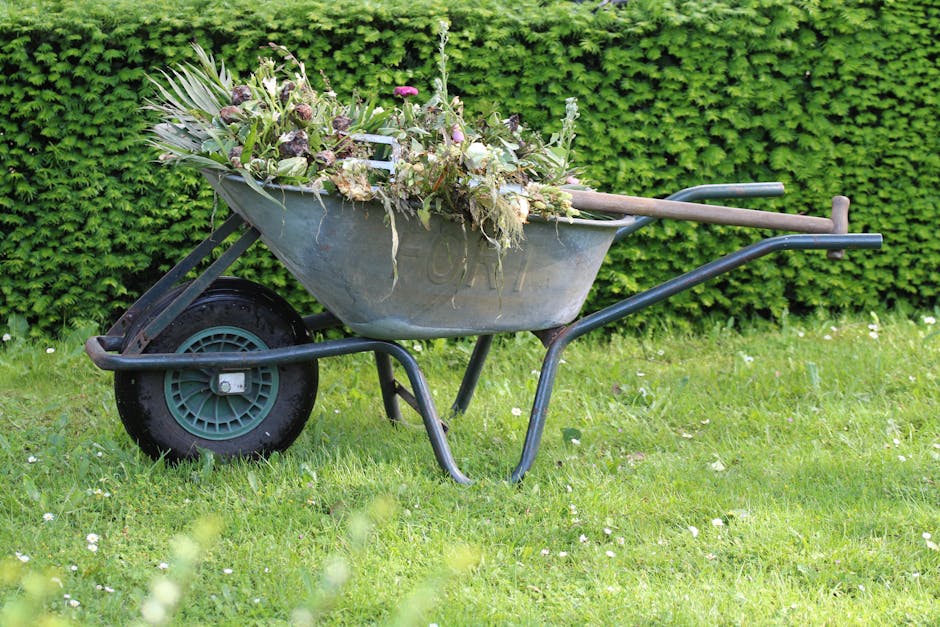
The actual clearance may include cutting back overgrowth, bagging green waste, dismantling light debris, loading material, and sweeping down hard surfaces. Depending on the condition of the garden, the job can be a neat half-day reset or a more involved project that needs staged work. If the space is part of a longer refresh, it may also connect with ongoing garden maintenance or follow-on improvements through landscaping.
Waste removal is a big part of the process, and any reputable provider should think carefully about disposal and recycling. If that matters to you, it is worth asking how the material will be handled and whether reusable or recyclable waste is separated properly. There is a useful overview of this approach on the site's recycling and sustainability page.
Key benefits and practical advantages
The obvious benefit is speed. When you need a garden cleared quickly, delays can snowball into extra stress, neighbour complaints, or missed deadlines. But the value goes beyond speed. A proper urgent clearance often gives you several wins at once.
- Immediate safety improvement: clear trip hazards, unstable waste piles, and blocked access.
- Better first impression: useful if you are selling, letting, or preparing for visitors.
- More usable space: patios, paths, and lawns become accessible again.
- Less chance of pest problems: dense, undisturbed debris can attract unwanted visitors.
- Easier follow-up care: once the clutter is gone, maintenance becomes simpler and cheaper.
There is a practical side to all this that people sometimes underestimate. Once the heavy stuff is gone, you can see what the garden actually needs. Maybe it needs mowing, hedge cutting, or a more structured design reset. Sometimes a clearance reveals that the space was not beyond saving at all. It just needed breathing room.
For properties where presentation matters, a tidy garden can also support wider improvements around the home. For example, if you are also planning a refreshed outdoor area, the team may suggest linking clearance with lawn mowing or, in more ambitious cases, a broader landscape gardening plan.
Who this is for and when it makes sense
Urgent garden clearance is not just for neglected homes. It helps all sorts of people and situations. Let us break it down properly, because it is easier to recognise when you are in the middle of it than when you are reading about it in the abstract.
- Homeowners dealing with overgrowth after a busy period, bad weather, or a long absence.
- Landlords preparing for inspections, new tenants, or end-of-tenancy handovers.
- Property managers needing safe, presentable outdoor areas quickly.
- Families getting a garden ready for a gathering, celebration, or safer child-friendly use.
- Older residents who need the space made manageable again without struggling through heavy lifting.
- People recovering from illness or injury who need the practical load taken off their shoulders.
It also makes sense after storms, fence damage, tree drop, or a long gap in upkeep. If a hedge has swallowed the path, if ivy is creeping into areas it should not, or if a shed area is no longer safely reachable, urgent clearance becomes less of a nice-to-have and more of a sensible response. To be fair, sometimes the garden tells you itself before you do.
Where the issue is mainly regular upkeep rather than a one-off rescue, a lighter touch may be better. In those cases, services such as hedge trimming or routine lawn mowing can prevent the next big clear-out.
Step-by-step guidance
If you want the process to go smoothly, it helps to think in stages. Rushing the decision is one thing; rushing the preparation usually creates avoidable faff. Here is a practical sequence that works well.
- Identify the urgency. Is it safety-related, deadline-related, or simply out-of-control growth?
- Take a quick look at access. Side gates, narrow paths, and rear access all affect how the work is handled.
- List the main problem items. Overgrowth, rubble, branches, leaves, old timber, broken furniture, and so on.
- Send photos if possible. A few decent images are often enough to help with an initial assessment.
- Ask what is included. Cutting, loading, sweeping, waste removal, and disposal should be clear from the start.
- Check timing. Confirm whether the job is same-day, next-day, or booked for a specific window.
- Prepare the space. Move valuables, clear access points, and flag any hazards you already know about.
- Inspect the finish. Make sure the cleared area matches what was agreed before everyone packs up.
A useful rule of thumb: the more specific you are before the work starts, the less chance there is of awkward surprises halfway through. Nobody enjoys discovering that a pile of "just a few branches" is actually hiding three bags of broken fencing. It happens.
If the job includes heavier structural work or site tidying around new features, you may want to look at decking services or broader services overview options once the clearance is complete. That is often where the garden starts to feel like a proper space again.
Expert tips for better results
Some of the best outcomes come from small decisions made early. Here are a few practical tips that make a real difference.
- Photograph the garden in daylight. Faint evening pictures can hide uneven ground, thick growth, and awkward corners.
- Separate green waste from general rubbish where you can. It can help the team plan the job more efficiently.
- Be clear about what should stay. A plant you love can disappear in a hurry if it is not marked out properly.
- Ask about disposal before the work begins. It avoids confusion when the waste is loaded.
- Think about follow-up care. Clearance is a reset, not always the end of the story.
If you are trying to get a property ready for photos or a viewing, focus on the view lines first. What do people see from the back door? What do they notice from the patio? A half-cleared garden can still look chaotic if the key sightlines are blocked. That is one of those little things that makes a big difference.
And yes, it is worth asking a few awkward-sounding questions. What happens if hidden waste is found under the brambles? How is access handled if the gate is narrow? Do they need extra time for bulky branches? Better to sound picky for five minutes than annoyed for the next five days.
Common mistakes to avoid
Urgent work can make people act fast, which is understandable. But fast decisions do not always make for good decisions. These are the mistakes that come up again and again.
- Underestimating the size of the job. A garden that looks manageable from the house can be much worse up close.
- Forgetting about hidden hazards. Broken glass, rusted metal, and unstable timber are easy to miss.
- Not confirming disposal arrangements. Waste that is cleared from site still has to go somewhere.
- Leaving too little room for access. Garden teams need a clear route, especially with bulky waste.
- Assuming all clearance is the same. A light tidy-up is very different from a full overgrowth and debris removal.
- Skipping aftercare. Without a maintenance plan, the same issue can return quickly.
One of the trickiest mistakes is asking for a clearance without stating the real deadline. "Soon" and "urgent" are not always the same thing. If the work needs to happen before a letting agent visit on Thursday morning, say so. If the issue is a blocked entrance after a tree branch came down, say that too. Specificity helps everyone move faster.
If the problem involves a tree leaning, a large limb, or anything that feels unsafe overhead, do not treat it like simple garden waste. That is the moment to consider tree lopping and removal rather than standard clearance.
Tools, resources and recommendations
You do not need a shed full of kit to manage the process well, but the right tools matter. For smaller jobs, a pair of sturdy gloves, secateurs, loppers, sacks, and a rake can help with initial sorting. For urgent clearances, though, the real value is in efficient labour, safe handling, and the right waste-loading equipment.
Useful practical items often include:
- heavy-duty gloves
- garden shears or secateurs
- loppers for thicker stems
- rakes and brooms
- tarpaulins for grouping waste
- strong sacks or bins for green waste
- basic eye protection if you are doing any prep work yourself
If you are choosing a provider, useful references on the site include pricing and quotes for understanding how estimates are presented, insurance and safety for peace of mind around risk, and the company's about us page if you want a clearer sense of who you are dealing with.
For people who prefer a preventive approach rather than repeated emergency clean-ups, routine care is often cheaper and calmer over time. That might mean combining clearance with lawn care, hedge work, or a more measured maintenance schedule. Nothing fancy. Just less chaos next time.
Law, compliance, standards and best practice
Garden clearance is not usually heavy regulation in the way some building work is, but that does not mean standards do not matter. Waste still needs handling responsibly. Work should be carried out safely. And if the site is shared, rented, or public-facing, the duty of care becomes more obvious.
In the UK, reputable garden clearance work should generally follow sensible best practice: assess the site before starting, manage manual handling carefully, avoid damaging neighbours' property, and separate waste appropriately. If machinery is used, it should be operated by someone competent and with proper care around people, pets, and hard surfaces. That all sounds obvious, but obvious is often where problems start.
If waste has to be removed from the property, ask how it will be dealt with and whether recyclable green waste is separated where possible. That is not just tidiness. It is part of doing the job properly. You can read more about the approach on recycling and sustainability.
It is also sensible to understand the provider's basic policies before booking. Health and safety policy, payment and security, and the terms and conditions page all help set expectations. If anything feels unclear, ask. A trustworthy company will not mind. In fact, they should welcome it.
One more practical note: if the garden contains materials you are unsure about, or if there are signs of contamination, rot, or structural damage, say so early. The right approach may change once the full picture is visible.
Options, methods and comparison table
Not every urgent clearance needs the same approach. Sometimes a quick tidy is enough. Sometimes a deep clear-out is the safer, cheaper route overall because it prevents repeat visits. Here is a simple comparison to help you think it through.
| Option | Best for | Pros | Limitations |
|---|---|---|---|
| Light urgent tidy | Minor overgrowth, leaves, small debris | Fast, low disruption, good for presentation | Does not solve deeper access or clearance issues |
| Full garden clearance | Severe overgrowth, mixed waste, blocked areas | Resets the space properly, safer finish | Takes longer and may cost more upfront |
| Clearance plus maintenance | Gardens likely to re-overgrow quickly | Helps keep the result, less future stress | Requires ongoing scheduling |
| Clearance plus landscaping preparation | Gardens being redesigned or improved | Good foundation for long-term changes | Needs clearer planning and coordination |
If you are unsure which approach fits, start with the most honest question: do you want the garden merely under control, or do you want it properly reset? That answer usually points to the right method. A quick rescue is fine. But sometimes a fuller reset saves you from paying twice.
Case study or real-world example
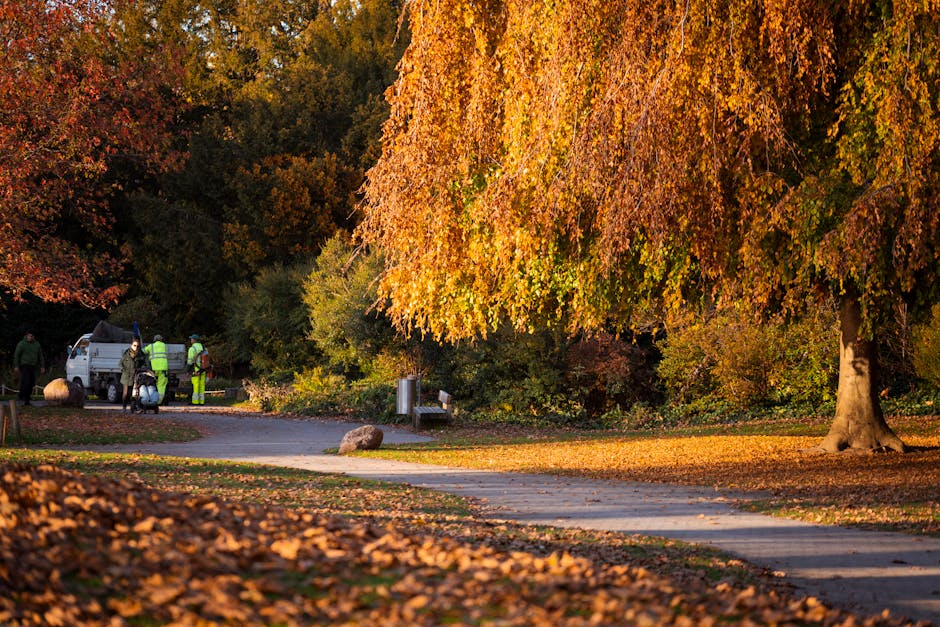
Picture a typical Hackbridge back garden after a few months of neglect and a windy week on top. The path is half-hidden under damp leaves, the hedge has crept into the neighbour's side, and a broken plant frame is lying near the bins. Nothing dramatic on its own. Put together, though, it feels messy, awkward, and a bit embarrassing.
The owner needs the space cleared before a family weekend visit. Not a major renovation. Just enough to make it safe and decent again. The first step is a short assessment from photos and a few notes: access is via a narrow side passage, there is a heavy green waste build-up, and one branch has come down near the shed roof. The team plans for careful removal, loads the waste efficiently, and keeps the hard surfaces swept down at the end.
What changes most is not just how the garden looks. It is how it feels. The path is visible again, the air smells less damp and stuck, and the whole space suddenly seems usable. That is the real point of urgent garden clearance. Not perfection. Relief.
After the clearance, the owner decides to schedule regular mowing and hedge work rather than letting things drift again. A sensible choice, frankly. It is the kind of decision people often make only after the mess is gone and they can breathe for a minute.
Practical checklist
Use this before booking or starting an urgent clearance. It keeps the process simple and prevents last-minute confusion.
- Take clear photos of the garden in daylight.
- Write down the main problem areas and any hazards.
- Confirm access points, gates, and any narrow passages.
- Identify items that must be kept.
- Ask what is included in the clearance.
- Check how waste will be removed and handled.
- Clarify timing, especially if you have a deadline.
- Ask about safety and insurance if anything looks risky.
- Plan follow-up care after the clear-up.
- Inspect the space before the job is signed off.
If you can do just one thing well, do this: be specific. Specific photos, specific timing, specific expectations. It saves time and makes the whole thing calmer. And calmer is underrated.
Conclusion
Urgent garden clearance in Hackbridge is about more than hauling away piles of growth and debris. It is about restoring safety, access, and confidence in a space that has got away from you. The best outcomes come from a clear brief, sensible preparation, and a provider who understands that a rushed job still has to be handled carefully.
Whether you are dealing with storm mess, overgrown edges, a move-out deadline, or simply the sort of garden that has quietly run wild, the right clearance approach can make a very real difference. Once the clutter is gone, everything else becomes easier to see and easier to manage. That alone can feel like a weight off your shoulders.
If you are comparing options, check the relevant service information, look over the company's approach to safety and sustainability, and think about whether you also want follow-up maintenance so the same problem does not creep back. A little planning now can save a lot of sorting later.
Get a free quote today and see how much you can save.
Sometimes a garden just needs a proper reset. And when it does, getting it done well can bring a surprising sense of calm.
Frequently Asked Questions
What counts as urgent garden clearance in Hackbridge?
It usually means a garden clearance that needs to happen quickly because of safety, access, presentation, or a deadline such as a tenancy change or property viewing. Overgrowth, fallen branches, and blocked paths are common triggers.
How quickly can urgent garden clearance be arranged?
That depends on the size of the job, access, and current availability. Smaller clearances are often quicker to schedule than large, heavily overgrown gardens. The fastest way to get a realistic answer is to share photos and a short description early.
Do I need to tidy the garden before the team arrives?
Only a little. Clear access paths if you can, move valuables, and point out anything fragile or hazardous. You do not need to do the heavy work yourself, and honestly, that is the point of booking help in the first place.
What should I include in my quote request?
Include photos, access details, the type of waste present, any urgency deadline, and whether you want disposal included. The more specific you are, the more accurate the quote is likely to be.
Can urgent clearance include hedge cutting and mowing?
Often yes, if those tasks are part of making the garden safe and presentable. A heavier clearance may be followed by hedge trimming or lawn mowing to finish the space properly.
What happens to the garden waste after clearance?
That depends on the provider's disposal process. Reputable teams will usually load the waste and handle it responsibly, with green waste separated where practical. It is sensible to ask how this is managed before booking.
Is urgent garden clearance suitable for rental properties?
Yes, very often. Landlords and property managers use it to prepare for inspections, new tenants, or end-of-tenancy work. It can also help if a property needs to look cared for quickly.
What if the garden has large branches or fallen trees?
That may need a more specialised approach than standard clearance. If there is any doubt about safety overhead or structural damage, it is better to treat it as tree work rather than simple green waste removal.
How can I tell if I need a full clearance or just a tidy-up?
If the garden still has usable paths and only minor overgrowth, a tidy-up may be enough. If access is blocked, waste is mixed, or the space feels unsafe, a fuller clearance is usually the better call.
Will urgent clearance damage my lawn or hard surfaces?
A careful team should protect surfaces as much as possible, but the condition of the garden matters. Wet ground, heavy waste, and narrow access can make things trickier. It is worth asking how they plan to work around delicate areas.
How do I keep the garden from getting overgrown again?
A simple maintenance plan works best. Regular mowing, hedge cutting, and seasonal tidying prevent the big build-up that leads to emergency clear-outs. A little attention now and then saves a lot of hassle later.
Where should I start if I want to book?
Start by gathering a few photos, listing the main issues, and checking the relevant service pages. If you want a broader sense of the company's work, the services overview page is a sensible place to begin.