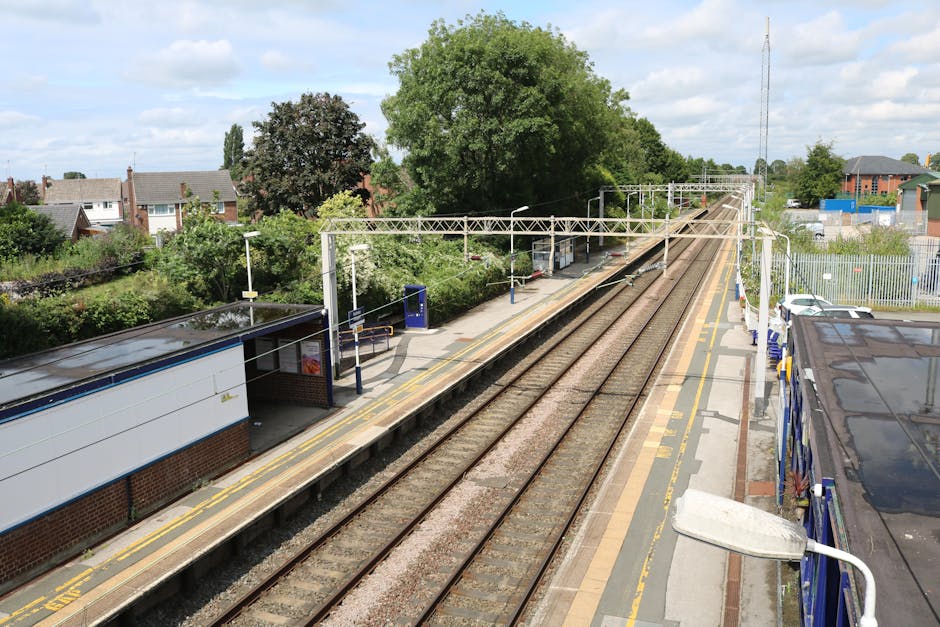
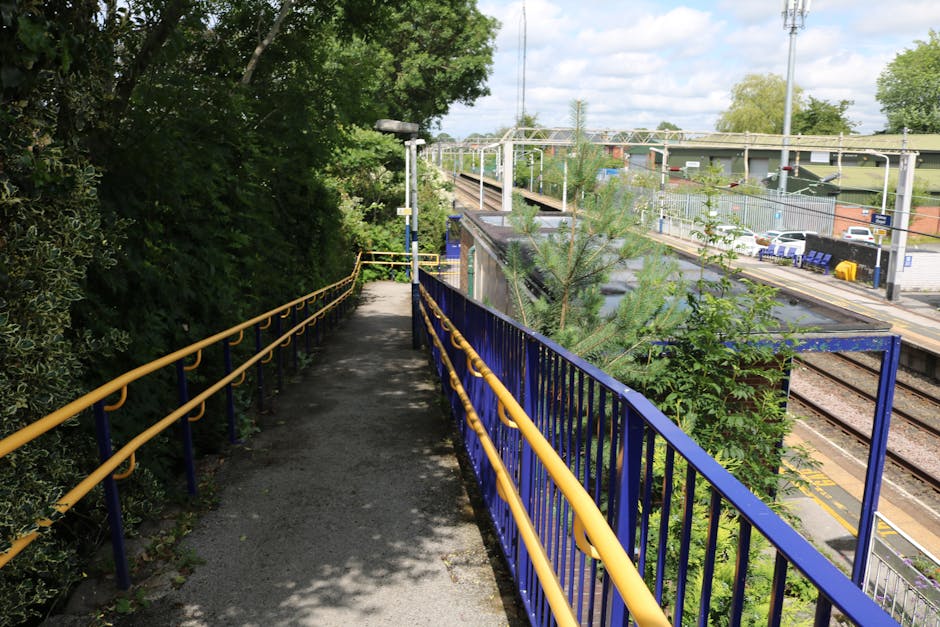
Hackbridge Station garden services SM6 guide
If you live, work, or manage a property near Hackbridge Station, you already know the garden can change the feel of a place almost overnight. A tidy front border, a kept lawn, or a well-managed shared outside space can make a home feel calmer and a business look far more inviting. This Hackbridge Station garden services SM6 guide is here to make that easier to understand, whether you need a one-off tidy-up, regular maintenance, or a more considered seasonal plan.
Truth be told, a lot of people wait until the garden looks a bit wild before they look for help. That is normal. Life gets busy, hedges grow faster than expected, and the British weather does what it likes. The good news is that local garden services can be shaped around the way you actually use the space, not just what looks neat on paper. In this guide, you will find practical advice on how garden services work, what to expect, how to choose the right approach, and where the real value lies.
To help you get straight to the useful bits, we have laid everything out clearly below. If you are comparing service options, you may also find it helpful to review the services overview, check the pricing and quotes page, or learn more about the team on the about us page.
Table of Contents
- Why Hackbridge Station garden services SM6 guide Matters
- How Hackbridge Station garden services SM6 guide Works
- Key Benefits and Practical Advantages
- Who This Is For and When It Makes Sense
- Step-by-Step Guidance
- Expert Tips for Better Results
- Common Mistakes to Avoid
- Tools, Resources and Recommendations
- Law, Compliance, Standards, or Best Practice
- Options, Methods, or Comparison Table
- Case Study or Real-World Example
- Practical Checklist
- Conclusion
- Frequently Asked Questions
Why Hackbridge Station garden services SM6 guide Matters
Gardens around Hackbridge Station and across SM6 often sit in busy, lived-in spaces: front gardens near foot traffic, rear gardens tucked behind terraces, shared access paths, and compact plots that need a bit of strategy rather than brute force. That is why a proper local garden service matters. It is not just about making things look neat for one afternoon. It is about keeping outdoor space usable, safe, and manageable through the year.
In a local area like this, the difference between a garden that is merely "done" and one that actually works for the property can be subtle. For example, a narrow side return may need weed control and leaf clearance more often than a larger garden elsewhere. A small lawn that catches shade in the afternoon might need a different mowing rhythm. A hedge close to the pavement may need occasional shaping so it does not start creating awkward, scruffy bottlenecks. Small things, but they add up.
Garden services also matter because they help prevent problems from becoming expensive. Overgrown shrubs can block light, encourage damp near walls, and make access awkward. Muddy borders can become slippery. Uncollected cuttings can lead to pests or just a general mess that feels harder to tackle each week. The point is simple: routine care is usually easier, cheaper, and less stressful than a big rescue job later on.
There is also a presentation angle. If you are letting, selling, or simply trying to keep a home in good shape, the outside space sets the tone before anyone reaches the door. A well-kept garden says something useful: this place is looked after. And in a busy commuter area, that counts for a lot.
How Hackbridge Station garden services SM6 guide Works
Most garden services start with a walk-through or a clear conversation about what needs doing. That might be as simple as: "The lawn is patchy, the hedge has outgrown the fence, the borders are full of weeds, and we need regular maintenance after that." From there, the work is usually shaped into a plan that matches the season, the property size, and how often you want visits.
Typical services may include mowing, edging, hedge trimming, pruning, weeding, leaf clearance, planting, waste removal, and general tidy-ups. Some jobs are one-off, such as clearing a garden before a property sale or after winter. Others are scheduled, which is often better if the space needs ongoing care rather than a reset every few months.
It helps to think in layers. First comes the visible work: cut, tidy, shape, clear. Then comes the maintenance layer: checking growth, preventing weeds from taking over, keeping paths clear, and managing seasonal changes. After that comes the finishing layer, which many people underestimate. It includes collecting all green waste, leaving surfaces clean, and making sure the garden is not just shorter, but actually improved.
If you are comparing providers, a useful question is not "Can you cut the grass?" but "What happens after that?" A professional approach should cover disposal, care for the plants you want to keep, and sensible advice about follow-up work. For service standards and practical expectations, it is worth reviewing the health and safety policy and the insurance and safety information so you know how the work is handled.
One small but important thing: communication matters. Good garden services are easier when you can explain what matters most to you. Maybe the front garden needs to stay neat for visitors, but the back garden can be softer and more relaxed. Maybe you want low-maintenance planting rather than constant clipping. Say that early. It saves everyone a bit of guesswork, and honestly, a lot of awkward trimming.
Key Benefits and Practical Advantages
There are plenty of reasons people hire garden services near Hackbridge Station, but the best ones are usually practical rather than decorative. A tidy garden saves time, reduces stress, and makes the property more pleasant to live with day to day. That is the simple version. The fuller version is even better.
Key advantages include:
- Time back in your week - you avoid spending weekends wrestling with stubborn weeds or a mower that seems to fight back.
- Healthier plants - proper pruning and seasonal care support stronger growth and fewer avoidable problems.
- Better kerb appeal - a well-kept garden improves first impressions, whether for guests, buyers, tenants, or customers.
- Safer access - overgrowth, moss, fallen leaves, and clutter can make paths less safe than people realise.
- Less long-term damage - regular attention helps stop small issues turning into bigger repairs or replacements.
There is also a psychological benefit that people do not always mention. When the outside space is in order, the whole property tends to feel calmer. You notice it on a wet Tuesday morning, weirdly enough. The bins are tucked away, the path is clear, the lawn is trimmed, and the place just breathes a bit easier. Not glamorous. Useful.
For landlords and property managers, regular garden maintenance can also make inspections smoother. For families, it can create a safer area for children to play. For older residents, it can remove chores that have become physically awkward or risky. And for anyone with a busy schedule, it simply makes life feel a little more manageable.
If sustainability matters to you, ask how the team handles green waste and whether they can support recycling-led practices. You can also read more about the recycling and sustainability approach, which is a sensible place to start if you want the work carried out with less waste and more care.
Who This Is For and When It Makes Sense
This kind of garden service makes sense for a surprisingly wide range of people. You do not need a huge lawn or a grand border to benefit from it. In fact, compact gardens often need more consistent attention because every square metre shows the mess faster. That is just how it is.
It is especially relevant for:
- Homeowners who want the garden kept tidy without spending every spare hour outside.
- Renters who need help with maintaining a garden they are responsible for.
- Landlords preparing a property for viewings, inspections, or new occupants.
- Older residents who want lighter, safer upkeep rather than heavy manual work.
- Busy commuters around Hackbridge Station who need flexible, reliable maintenance.
- Businesses or managed properties that want external areas to stay presentable.
It also makes sense after a seasonal change. Early spring, for example, often reveals what winter has hidden. Leaves are compacted into corners, shrubs have grown in odd directions, and lawns may be tired or patchy. Late summer can bring another wave of work, especially if everything has had a long, damp growing season. And autumn, well, autumn is leaf season. Everyone knows the sound. That soft crunch underfoot and the constant feeling that another leaf has landed before you even finish sweeping.
Sometimes the trigger is simpler: you just do not have the tools, the time, or the energy to deal with it properly. Fair enough. There is no prize for doing every garden task the hard way.
Step-by-Step Guidance
If you are trying to organise garden services in the Hackbridge Station SM6 area, it helps to work in a clear sequence. Here is the straightforward way to approach it.
- Assess the space honestly. Walk the garden and note what is actually bothering you. Is it the lawn, the hedge, the weeds, the paths, or the whole lot?
- Separate urgent jobs from routine ones. A dangerous branch or a blocked path comes before decorative pruning. Keep the priorities real.
- Decide on frequency. One-off clearances are useful, but many gardens benefit from a regular monthly or seasonal visit.
- Ask what is included. Does the service cover green waste removal, pruning, edging, or just cutting? Clear that up early.
- Discuss plant care. If you have roses, shrubs, climbers, or established borders, make sure they are handled with the right level of care.
- Confirm access and practicalities. Side gates, parking, water access, and any shared entrances can all affect the job on the day.
- Agree on follow-up. A good result is often the start of a maintenance rhythm, not the end of the story.
One useful habit is to take a few photos before the work begins. Not for drama. Just for clarity. A quick set of pictures helps you compare the result later and makes it easier to explain what you want next time. Small thing, big help.
If you are unsure how a service is usually scoped, the services overview can help you understand the kinds of tasks that are commonly grouped together. And if you are ready to talk through a specific garden, the contact us page is the natural next step.
Expert Tips for Better Results
Good garden work is not only about effort. It is about timing, judgement, and knowing what not to do. That last part is a big one. In our experience, many garden problems come from doing too much at the wrong time, or too little for too long.
Here are a few practical tips that make a real difference:
- Do lighter, more regular maintenance. A short visit every few weeks often keeps things under control better than a huge clear-up every few months.
- Prune carefully. Different plants respond differently, and heavy cutting can cause stress or poor regrowth.
- Keep edges defined. A neat border edge instantly makes a garden look more finished, even when the planting is simple.
- Do not ignore drainage clues. Patches that stay soggy, mossy, or bare may need more than mowing.
- Choose low-maintenance plants where sensible. Especially useful in smaller SM6 gardens where time is limited.
A useful rule of thumb: if a task feels like it needs a ladder, a lot of force, or more knowledge than a quick online search can safely provide, it may be better handled professionally. No shame in that. Really, there is none.
Also, think about the whole year rather than just the next tidy-up. Spring feeding, summer trimming, autumn clearance, and winter checks all play a part. A garden that looks effortless in July usually has a bit of planning behind it. Not always a lot. Just enough.
Common Mistakes to Avoid
People often come to garden services after trying to solve everything themselves first. That is fine, but there are some common mistakes that make the job harder than it needs to be.
- Waiting too long. Once shrubs become overgrown or weeds set seed, the work becomes more time-consuming.
- Assuming all gardens need the same treatment. A shaded courtyard and a sunny back lawn need very different care.
- Only booking a tidy-up once things look bad. Regular care is often more efficient and less disruptive.
- Not being clear about expectations. If you want a formal finish rather than a soft natural look, say so.
- Overlooking disposal. Cuttings, branches, and soil need to go somewhere, and that should be part of the plan.
Another mistake is choosing the cheapest quote without asking what is actually included. A lower headline price can look neat on the page, but if waste removal, edging, or follow-up advice are missing, the value may not be there. As always, the details do the heavy lifting.
And one small one that catches people out: trimming too much in one go. A rushed cut can leave shrubs looking harsh or patchy. Sometimes the best result is a measured one, even if it feels a bit less dramatic in the moment.
Tools, Resources and Recommendations
The right tools make a big difference, but the right approach matters even more. A decent mower, secateurs, hedge trimmer, rake, spade, and wheelbarrow can cover a lot of common garden maintenance. For smaller or more delicate jobs, hand tools are often better than heavy equipment because they give more control.
Useful things to consider before any service visit:
- Clear access to the main work area.
- A quick note on gates, pets, children, or shared entrances.
- Any plants you especially want preserved.
- Whether you want waste taken away or left for your own composting.
- Whether you prefer a one-off job or ongoing seasonal care.
If you like a tidy routine, a simple garden notebook or notes app can help you track what was done and when. It sounds a bit old-school, but it works. You will quickly spot patterns, like the hedge needing attention earlier than expected or the lawn struggling after a wet spell.
For people who want clarity on payments and booking processes, it is worth reading the payment and security information before placing an order. That can help avoid awkward surprises and gives you a better sense of how the service is structured. If your priority is budget planning, the pricing and quotes page is also worth a look.
Law, Compliance, Standards, or Best Practice
Garden services may seem informal, but there are still sensible standards to keep in mind. For a start, any contractor working on your property should use safe working practices, especially around tools, lifting, access, and waste handling. That does not need to be complicated, but it should be considered. Loose paving, awkward steps, wet grass, and overgrown corners can create avoidable risks.
There can also be broader expectations around responsible waste handling and care for neighbours' property. For example, cuttings should not be left blocking shared paths, and work should be carried out without creating unnecessary disturbance. If a service involves ladder work, power tools, or the removal of larger branches, safety planning becomes even more important.
In the UK, garden work is generally expected to be carried out in line with normal occupational safety practices, appropriate insurance, and reasonable care for the property. Exact requirements can vary by job and setting, so it is sensible to ask how the work is managed. That is where checking the health and safety policy and insurance and safety information is useful. It tells you that the basics have been thought through.
If you are a landlord or managing a shared space, you may also want to think about access rights, neighbour communication, and keeping common areas clear. Nothing dramatic, just the practical stuff that prevents headaches later. And yes, it is usually the practical stuff that matters most.
Options, Methods, or Comparison Table
There is no single "best" way to manage a garden near Hackbridge Station. The right method depends on the size of the space, how much time you have, and whether the priority is appearance, safety, ease, or all three. Here is a simple comparison to help you decide.
| Approach | Best for | Pros | Trade-offs |
|---|---|---|---|
| One-off tidy-up | Overgrown gardens, pre-sale prep, post-winter recovery | Fast reset, visible improvement, good for a fresh start | Needs follow-up if growth is ongoing |
| Seasonal maintenance | Gardens that change with the year but do not need weekly attention | Balanced cost, sensible upkeep, fewer big problems | Can still allow some growth between visits |
| Regular maintenance | Busy households, rental properties, visible front gardens | Best consistency, less stress, easier long-term control | Higher ongoing commitment |
| Targeted specialist work | Hedges, pruning, planting, or problem areas | More precise, often better for specific issues | May need separate planning from general maintenance |
If you are undecided, a sensible starting point is often a one-off tidy-up followed by lighter maintenance. That gives you a clean baseline and shows what the garden actually needs once the clutter is gone. Simple, but effective.
Case Study or Real-World Example
Here is a realistic example of how this can play out. A small property near Hackbridge Station has a front garden that looks fine in winter, but by late spring the hedge has grown past the path, the lawn is uneven, and weeds have started creeping into the border. The owners both commute, so neither has the time to keep up with it properly. They do not need a complete redesign. They need control.
The first visit focuses on clearing the overgrowth, edging the path, cutting back the hedge to a sensible shape, and removing debris. The second step is more thoughtful: the border is checked for plants worth keeping, the lawn is assessed for patchiness, and a lighter maintenance rhythm is suggested. A few small changes make the whole space easier to look after. Less frantic, more manageable.
What improved most was not just appearance. The path became easier to walk through, the entrance felt more open, and the owners stopped dreading the outside area every time they came home in the evening. That matters. Sometimes the best garden result is a quieter mind.
This is also where a local, practical service approach shines. A garden near a station often has different pressures to one in a quieter suburb: foot traffic, tighter access, less time, and a stronger need for the job to be done efficiently. The right service respects that.
Practical Checklist
Use this checklist before booking or arranging garden services in the Hackbridge Station SM6 area:
- Identify the main problem areas: lawn, hedges, weeds, borders, waste, or access.
- Decide whether you need a one-off job or regular maintenance.
- List any plants, features, or areas that need special care.
- Check how waste will be removed or recycled.
- Confirm the level of work included in the quote.
- Ask about safety, insurance, and working practices.
- Make access easy on the day: gates, parking, keys, pets, or codes.
- Set realistic expectations for the first visit if the garden is badly overgrown.
- Keep a note of what was done for future visits.
- Review whether a seasonal plan would save time and effort later on.
Quick summary: the best results usually come from clear priorities, realistic timing, and a maintenance plan that fits your actual lifestyle. Not the imaginary one where you somehow have three spare hours every Saturday. We all know how that goes.
Conclusion
Choosing garden services near Hackbridge Station does not have to be complicated. Start with the space you have, the problems that matter most, and the amount of care you want to keep up over time. From there, it becomes much easier to decide between a one-off tidy-up, seasonal help, or regular maintenance. The real win is not just a tidier garden. It is a space that feels easier to live with, week after week.
For a service that fits your home, your schedule, and the way your garden actually grows, it helps to compare the available support and ask sensible questions up front. If you want to explore the wider service options, take a look at the services overview, read about the team on the about us page, or check the pricing and quotes page for the next step.
Get a free quote today and see how much you can save.
And if you are still weighing it up, that is fine too. A good garden service should leave you feeling reassured, not rushed. Sometimes the best first step is simply getting the space under control again, then breathing a little easier after that.
Frequently Asked Questions
What does Hackbridge Station garden services SM6 guide usually cover?
It usually covers the practical side of keeping a garden tidy and usable: mowing, edging, hedge trimming, pruning, weeding, waste removal, and seasonal maintenance. The exact mix depends on the property and what needs attention most.
Do I need regular garden maintenance or just a one-off tidy-up?
If the space gets messy quickly or you want it looking consistently neat, regular maintenance is often better. If the garden is only occasionally overgrown, a one-off tidy-up can be a good reset before deciding on a routine.
How do I know what to ask before booking garden services?
Ask what is included, how waste is handled, whether insurance is in place, how access is managed, and what happens if the garden needs more work than expected. Clear questions save a lot of back-and-forth later.
Are garden services near Hackbridge Station suitable for small gardens?
Yes, absolutely. Small gardens often benefit most because they can look untidy very quickly. A compact space near a station may need smarter maintenance rather than more work, which is a helpful distinction.
What is the difference between garden clearance and garden maintenance?
Garden clearance is usually about restoring control in an overgrown or neglected space. Garden maintenance is the ongoing care that keeps the space in good shape after that. They overlap a bit, but they are not the same thing.
How often should a garden be maintained?
That depends on growth, season, and how the garden is used. Some spaces only need seasonal visits, while others need more regular attention. A shaded, damp, or fast-growing garden may need work more often than expected.
What should I do before the gardener arrives?
Clear access if you can, move fragile items, note any specific plants you want protected, and explain your priorities. If pets or children use the space, mention that too. It makes the visit smoother and safer.
Can garden waste be taken away?
Usually, yes, if that is agreed in advance. It is worth confirming whether waste removal is included, separate, or left for composting on site. This is one of those details that sounds minor until the bags start piling up.
What if my garden is badly overgrown?
That is not unusual. A badly overgrown garden often just needs a sensible first pass: clear access, remove heavy growth, define the main areas, then plan the follow-up. It is rarely solved in one dramatic sweep, and that is okay.
How can I tell if a gardener is working safely?
You should expect sensible use of tools, careful handling of ladders or cutting equipment, and awareness of access hazards. It also helps if the provider is clear about safety and insurance, which is why their policy pages matter.
Is there a good time of year to arrange garden services?
Spring and autumn are often the most useful times because gardens tend to change quickly then. That said, winter clear-ups and summer maintenance can be just as important depending on how your garden grows and how you use it.
Where can I learn more about the company and its approach?
You can visit the about us page, review the health and safety policy, and read the recycling and sustainability information for a better sense of how the service is run.