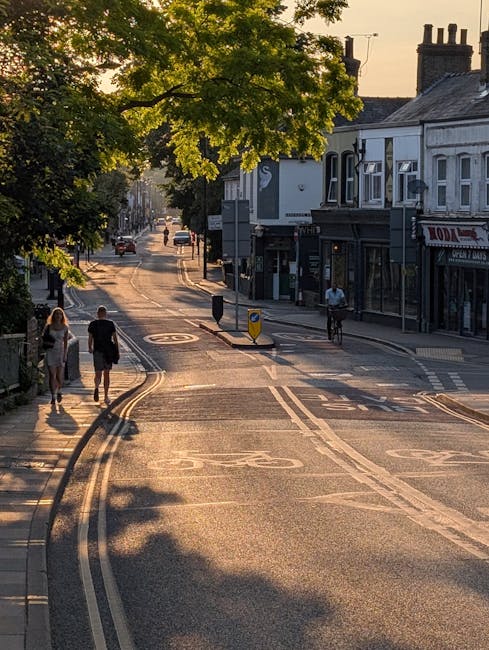
Hackbridge SM6 gardeners best streets for quick makeovers

If you are looking at a tired front garden and thinking, "right, that needs sorting, and fast," you are in the right place. This guide to Hackbridge SM6 gardeners best streets for quick makeovers is for homeowners, landlords, and busy residents who want a cleaner, sharper outdoor space without turning it into a months-long project. In Hackbridge, some streets naturally suit a quick refresh better than others, whether that means a small front plot, a neat boundary, or a garden that just needs the clutter removed and the edges pulled back into shape. The trick is knowing where a fast makeover gives the biggest visual return.
We will walk through what makes a street or property a good candidate, how a quick makeover works in practice, and what local gardeners tend to prioritise first. You will also get a step-by-step process, practical advice, a comparison table, and a realistic checklist you can use straight away. No fluff. Just useful, local, common-sense guidance.
Why Hackbridge SM6 gardeners best streets for quick makeovers Matters
Not every garden needs a full redesign. In fact, most do not. In Hackbridge, the smartest move is often a quick makeover that lifts the whole property in a day or two. That matters because kerb appeal is not just about showing off. It affects how a home feels when you arrive, how tidy the street looks overall, and how much effort the space demands from you week to week.
Some streets in SM6 are better suited to this kind of rapid improvement because the gardens are compact, visible from the pavement, and easy to reset with a few focused changes. If you have a front garden that has grown a bit wild, or a side strip that has become a dumping ground for pots, bins, or overgrown hedge lines, a local gardener can make a dramatic difference without a long build-up. To be fair, that is often the sweet spot: a short, targeted job that changes the whole feel of the place.
There is also a practical side. Hackbridge sees all the usual British garden wear and tear-shade in awkward corners, hedge growth that gets away from you, lawns that thin out after a wet patch, and paving that starts to look dull rather than decorative. A quick makeover works because it tackles the obvious issues first. You see the result immediately. The space stops feeling apologetic and starts looking cared for.
And yes, sometimes that is all a street needs. One crisp edge, one cleared border, one healthy lawn cut back to size. Simple, but very effective.
How Hackbridge SM6 gardeners best streets for quick makeovers Works
A quick garden makeover is not a vague "spruce it up" job. The best version is structured. A good gardener will usually begin with a walk-through of the front or rear space, looking for the changes that create the biggest visual impact in the least time. That might mean trimming hedges, clearing weeds, refreshing beds, mowing lawns, and removing unwanted growth around entrances and boundary lines.
In local terms, the best streets for this kind of work are usually the ones where the eye is drawn to the front of the house straight away. On a terrace, a compact semi, or a narrow front plot, even modest improvements show up clearly from the pavement. On a road where front gardens are visible in a line, one smart makeover can also make your home feel more in step with the street around it.
In practice, a makeover often follows a very sensible sequence:
- Clear away loose waste, dead material, and anything blocking access.
- Cut back overgrowth so the structure of the garden reappears.
- Define edges along lawns, borders, paths, and driveways.
- Improve the "first glance" areas near the front door, gate, or path.
- Finish with a tidy, balanced look rather than a perfect but overworked one.
That last point matters. A quick makeover is not about forcing a show garden into a suburban front plot. It is about making the space feel neat, fresh, and easy to maintain. Sometimes restraint is the real skill. A gardener who knows the area will usually know which streets and property types benefit most from this lighter-touch approach.
Key Benefits and Practical Advantages
The biggest benefit is obvious: fast results. But there is more to it than just speed. A well-planned quick makeover gives you a cleaner visual line, easier maintenance, and a much better sense of control over the space. Once the clutter and overgrowth go, the garden starts breathing again. It sounds dramatic, maybe, but you notice it straight away when you step outside in the morning.
- Immediate kerb appeal: ideal if you are preparing to sell, rent out, or simply want the house to look cared for.
- Lower ongoing effort: once the structure is reset, routine maintenance becomes far easier.
- Better use of space: small front gardens often look larger once boundaries and edges are cleaned up.
- Safer access: clearing paths, steps, and overhanging growth makes movement easier.
- Stronger first impression: useful for visitors, neighbours, and potential buyers.
There is a quieter benefit too. A neat garden changes how you feel about the property. You are more likely to keep on top of it afterwards. That sounds minor, but in real life it matters. A tidy space tends to stay tidier.
For landlords and sellers, the advantage is even more straightforward: a modest spend on smart outdoor presentation can make the whole property feel better maintained. No need for grand gestures. A hedge trimmed correctly, a lawn cut cleanly, and borders tidied properly can do an enormous amount of work.
Who This Is For and When It Makes Sense
This approach is a good fit if you want visible improvement without a long project timeline. It is especially useful for busy households where the garden has slipped down the list. You know the kind of thing: "we will get to it next weekend," and then somehow three weekends pass. Happens to the best of us.
It makes sense for:
- homeowners preparing for estate agent photos or viewings
- landlords who need a presentable exterior between tenancies
- new residents settling into a property and wanting a reset
- older gardens that have become messy rather than completely broken
- small front gardens where neatness matters more than planting depth
- properties with visible roadside frontage that benefit from a clean, polished look
It may be less suitable if you are planning to reconfigure the whole outdoor layout, replace hard landscaping, or redesign the planting scheme from scratch. In that case, a more involved garden transformation would make more sense. But if your aim is strong visual improvement in a short window, this is exactly the right lane.
And honestly, a lot of Hackbridge gardens fall somewhere in the middle. Not neglected, just overdue. Quick makeovers work beautifully there.
Step-by-Step Guidance
If you want the best outcome from a quick makeover, it helps to work in the right order. A rushed job can look patchy. A planned one looks calm and intentional. Here is a practical route that local gardeners often follow.
1. Start with the visible areas
Look at your property from the street first. What do people actually see? Usually it is the front gate, the path, the hedge line, the front window beds, and the driveway edge. These are the high-impact zones. Fixing them first gets the biggest return for the least effort.
2. Remove clutter before you trim anything
Loose pots, broken planters, dead branches, old compost bags, and random garden bits can make a tidy space look untidy very quickly. Clear the scene. Then the structure becomes obvious. It is a small step, but a useful one. Some gardens improve by 30% before the first cut even happens.
3. Cut back the growth that obscures shape
Overgrown hedges, shrubs spilling over paths, and long grass at the edges are common in SM6 gardens. The key is not to strip everything bare, but to reveal lines again. Once the lines are visible, the space starts looking designed rather than neglected.
4. Define the edges
Sharp edges make an outsized difference. A lawn with a neat border, a border with a clean front edge, or a path with clear sides immediately looks more intentional. This is one of those details people rarely mention, yet they always notice it.
5. Deal with weeds and dead material
Weeds in cracks, dead growth in beds, and dried-out stems all drag the look down. Remove them. If there is time, refresh the mulch or top layer of soil. If not, at least get the obvious eyesores out of the way.
6. Finish with a simple, balanced tidy-up
Rake, sweep, collect clippings, and check the front entrance again. Step back. If it looks calm and easy to read, you have probably got it right. If you are squinting and thinking something still feels off, it usually means one area is too busy or one line has been missed.
That final walk-back is underrated. Take ten seconds. Look from the pavement. The street view tells the truth.
Expert Tips for Better Results
Here is where experience really matters. Quick makeovers are not complicated, but small choices affect the final result much more than people expect.
- Work from the outside in: the frontage and entry points should look better before you worry about the back corner nobody sees.
- Do less, but do it cleaner: an overworked garden often looks tired. A restrained tidy-up can look more expensive.
- Keep planting simple: if you are adding anything new, choose robust, low-fuss plants rather than a mixed bag that will need constant attention.
- Match the street's character: a polished, slightly formal finish suits some Hackbridge properties better than a very soft, cottage-style look.
- Don't ignore the boundaries: fences, hedges, and edges frame the garden, so they shape the impression more than people realise.
One small but useful tip: if you only have time for three things, do the hedge, the lawn, and the front approach. That combination often gives the biggest "before and after" feeling. Not glamorous. Very effective.
Also, if a garden has a few awkward low-light spots, do not try to overcomplicate them. A clean, shaded area is better than a forced feature that struggles all year. Truth be told, simplicity usually wins.
Common Mistakes to Avoid
Quick makeovers can go wrong when the work is too random or too ambitious. The aim is clarity, not chaos with better lighting.
- Trying to do everything at once: you end up tired, rushed, and with half-finished details.
- Ignoring the visible line of sight: the street-facing parts matter most for presentation.
- Overcutting shrubs or hedges: this can leave the garden looking sparse or uneven.
- Leaving waste behind: tidy work is let down instantly if clippings and debris are not removed.
- Adding too many new features: a quick makeover should simplify, not create a full design puzzle.
- Forgetting maintenance reality: choose improvements you can actually keep up with.
A classic mistake is spending too much time on low-impact areas while the front still looks unfinished. It happens often. People get drawn into the back corner or a patch of planting that only they ever see. Meanwhile, the front gate is still saying "we'll get to it next week."
Another one: planting anything that needs specialist care when what the space really needs is resilience. Quick makeovers should make life easier, not more demanding.
Tools, Resources and Recommendations
The right tools make a quick garden refresh smoother, safer, and faster. You do not need a van full of gear, but you do need the basics in good order.
| Tool or material | Best use in a quick makeover | Why it helps |
|---|---|---|
| Secateurs and loppers | Trimming shrubs, hedge edges, and thicker stems | Gives cleaner cuts and less ragged growth |
| Leaf rake and stiff broom | Clearing clippings, leaves, and debris | Sharpens the final finish |
| Lawn mower or strimmer | Resetting grass areas and edges | Makes lawns look cared for quickly |
| Weed removal tools | Paths, borders, cracks, and paved areas | Removes the small details that spoil the look |
| Wheelbarrow or bags | Collecting waste for removal | Keeps the site tidy during the job |
| Gloves and eye protection | General garden work | Helps with safety and comfort |
If you are outsourcing the work, ask what is included. A proper quick makeover should not stop at cutting back growth. The finish matters too. Waste removal, edging, and basic tidying are often what separate a decent job from one that feels truly complete.
For broader support, it can help to look at related services depending on the state of the garden. For example, a more involved refresh may connect with garden maintenance, while severe overgrowth or a heavily cluttered plot may need garden clearance. If the lawn is the main issue, lawn mowing can be the simplest and most visible starting point. And where the boundary line is swallowing the space, hedge trimming is often the fastest win.
Those are sensible places to begin. No drama, just the right job for the right problem.
Law, Compliance, Standards, or Best Practice
For most small garden makeovers, the legal side is straightforward, but there are still a few things worth handling properly. If work involves waste removal, check that the waste is disposed of responsibly. If branches or hedge cuttings are being taken away, they should not end up fly-tipped or left in a way that causes nuisance. Good practice matters here, and in the UK it is something reputable gardeners take seriously.
If the job includes larger tools, ladders, or tree work, safety is not optional. Proper handling of equipment, sensible risk awareness, and appropriate insurance are all part of a trustworthy service. Tree work in particular can carry more risk than people realise, so anything beyond simple light pruning should be assessed carefully and handled by someone who knows what they are doing.
It is also sensible to agree what is included before the work starts. That sounds obvious, but it avoids the awkward "I thought that was included" conversation afterwards. A clear scope is best practice, especially for quick makeovers where time is tight and expectations can drift.
For customer-facing standards, communication matters nearly as much as the work itself. A gardener should be clear about access, waste, timing, and any limitations spotted on site. If a section of the garden needs more than a fast tidy, that should be said plainly. Honest guidance is worth a lot. More than a glossy promise, anyway.
Options, Methods, or Comparison Table
Not every property needs the same approach. If you are deciding how deep to go, this comparison may help.
| Approach | Best for | Typical outcome | Good to know |
|---|---|---|---|
| Light tidy-up | Generally neat gardens needing a quick refresh | Cleaner edges, neater appearance, fast turnaround | Best when the structure is already good |
| Focused front-garden makeover | Street-facing properties with strong kerb appeal potential | Much better first impression, sharper frontage | Ideal for sales, rentals, and busy households |
| Full garden reset | Overgrown or neglected spaces | Major visual improvement but more labour | May need clearance before fine detailing |
| Maintenance-led refresh | Gardens that need ongoing upkeep rather than redesign | Steady improvement over time | Best if you want the garden to stay easy to manage |
The right option depends on time, budget, and how visible the space is. If the front garden is the public face of the property, a focused makeover can be the smartest route. If the whole site is overrun, a reset first and polish later is usually the better order.
If you want a better sense of how a Hackbridge service area is typically approached, you might also find the local guide to Hackbridge station garden services in SM6 useful, especially if you are comparing practical jobs and turnaround times. For garden presentation ideas, the article on curb appeal and privacy with tall potted plant varieties is also a handy companion read.
Case Study or Real-World Example
Here is a simple real-world style example. A Hackbridge homeowner with a small front garden wanted the place to look better before a family event. Nothing extravagant. The hedge had crept forward, the lawn edges were soft and messy, and the path looked narrower than it really was. A full redesign would have been overkill.
The solution was a one-day makeover focused on visibility. The hedge line was cut back neatly, the lawn was mown and edged, weeds were cleared from the front beds, and the entrance area was swept down properly. A few tired pots were removed rather than replaced. That last part mattered. Less clutter. Better shape. The house suddenly looked more open from the street.
What changed most was not just the neatness, but the feeling of space. The front garden had not grown bigger, of course, but it felt bigger. That is the sort of result quick makeovers are really about. A calm, tidy frame around the property.
And because the changes were simple, upkeep became easier afterwards. No giant planting scheme to maintain, no complicated edging pattern, just a cleaner baseline. That is often the best outcome of all.
Practical Checklist
Use this checklist if you are planning a quick makeover in Hackbridge SM6. It keeps the job focused and stops the usual "oh, we forgot that bit" moment.
- Check which parts of the garden are most visible from the street.
- Remove loose clutter, dead plants, and waste first.
- Trim hedges and shrubs that affect the shape of the space.
- Mow the lawn and sharpen the edges.
- Weed borders, paths, and paved cracks.
- Sweep driveways, steps, and the front approach.
- Decide whether any planting needs to be simplified rather than added to.
- Bag or remove all cuttings and debris.
- Look at the result from the pavement, not just inside the garden.
- Plan basic follow-up maintenance so the garden stays presentable.
Expert summary: if you keep the work focused on the areas people actually see, a quick makeover can deliver a surprisingly strong result. Not perfect. Better than perfect, sometimes. Because it is real, easy to maintain, and tailored to how the property lives day to day.
Conclusion
Hackbridge SM6 gardeners best streets for quick makeovers is really about reading the property well. The streets and homes that benefit most are usually the ones where small, visible changes have a big effect: a front garden that faces the road, a compact plot that needs structure, or a space that has simply drifted into untidiness over time. Get the sequence right, keep the work practical, and focus on what people actually notice first.
If you are deciding whether to go for a fast tidy-up or a more detailed project, start with the frontage. That is where the biggest visual return usually lives. And once the place looks cleaner from the outside, everything else tends to feel easier too. Funny how that works.
Get a free quote today and see how much you can save.
Sometimes the best garden improvement is the one that quietly makes life simpler. A little less clutter, a little more shape, and a home that feels looked after. That is a good feeling to come home to.
Frequently Asked Questions
What does a quick garden makeover usually include?
A quick garden makeover usually includes clearing clutter, trimming hedges or shrubs, mowing grass, weeding, edging, and sweeping down the visible areas. The aim is to improve the overall look fast rather than rebuild the whole garden.
Which Hackbridge gardens benefit most from a fast makeover?
Small front gardens, visible corner plots, and properties with tidy structure but messy growth tend to benefit most. If the space is seen from the street, even modest work can make a strong difference.
Is a quick makeover enough if my garden is badly overgrown?
Sometimes, but not always. If the garden is heavily overgrown or full of waste, it may need clearance first. After that, the makeover can focus on the neat finishing touches.
How long does a typical quick makeover take?
It depends on the size and condition of the garden. A small front garden may only take a few hours, while a larger or more cluttered space can take most of a day. A proper quote should reflect the actual job, not a guess.
Can a quick makeover improve kerb appeal before selling a home?
Yes, absolutely. A neat front garden often improves the first impression of the whole property. It does not need to be elaborate. Clean edges and a tidy entrance can do a lot of work.
Should I choose garden maintenance or a one-off makeover?
If the garden mainly needs a reset, a one-off makeover is often the best first move. If it is already in good shape but needs regular attention, ongoing garden maintenance may make more sense.
What is the best first task in a quick garden refresh?
The best first task is usually clearing clutter and waste. Once the space is cleared, you can see the real structure of the garden and decide what actually needs cutting back or tidying.
Do I need permission for a normal garden makeover?
For standard maintenance and tidying work, permission is usually not needed. However, if the work affects protected trees, boundaries, or anything unusual about the property, it is wise to check carefully before proceeding.
How do I know if a gardener is a good fit for this kind of job?
Look for someone who explains what will be included, what will not, and how waste will be handled. A good fit is usually clear, practical, and realistic about what a quick makeover can achieve.
Will a quick makeover reduce future maintenance?
Usually yes. Once overgrowth, clutter, and poor edges are dealt with, the garden is easier to keep under control. It does not remove maintenance, of course, but it makes it much more manageable.
Are there eco-friendly ways to do a quick makeover?
Yes. Reusing healthy plant material, composting where appropriate, and avoiding unnecessary replacement planting are all sensible options. A tidy garden does not have to be wasteful.
What if I only want the front garden done?
That is very common. Front gardens often have the biggest visual impact, so a focused front-only makeover can be a smart and cost-effective choice. It is often the best place to start.
Can quick makeovers work in winter or wet weather?
They can, although conditions may limit what can be done neatly and safely. Wet ground, slippery surfaces, and soft lawns can affect timing, so it helps to be flexible. A good gardener will advise honestly if the weather is not ideal.